 Christian NGOs Must Receive FCRA Approval: Why Faith-Based Service Matters
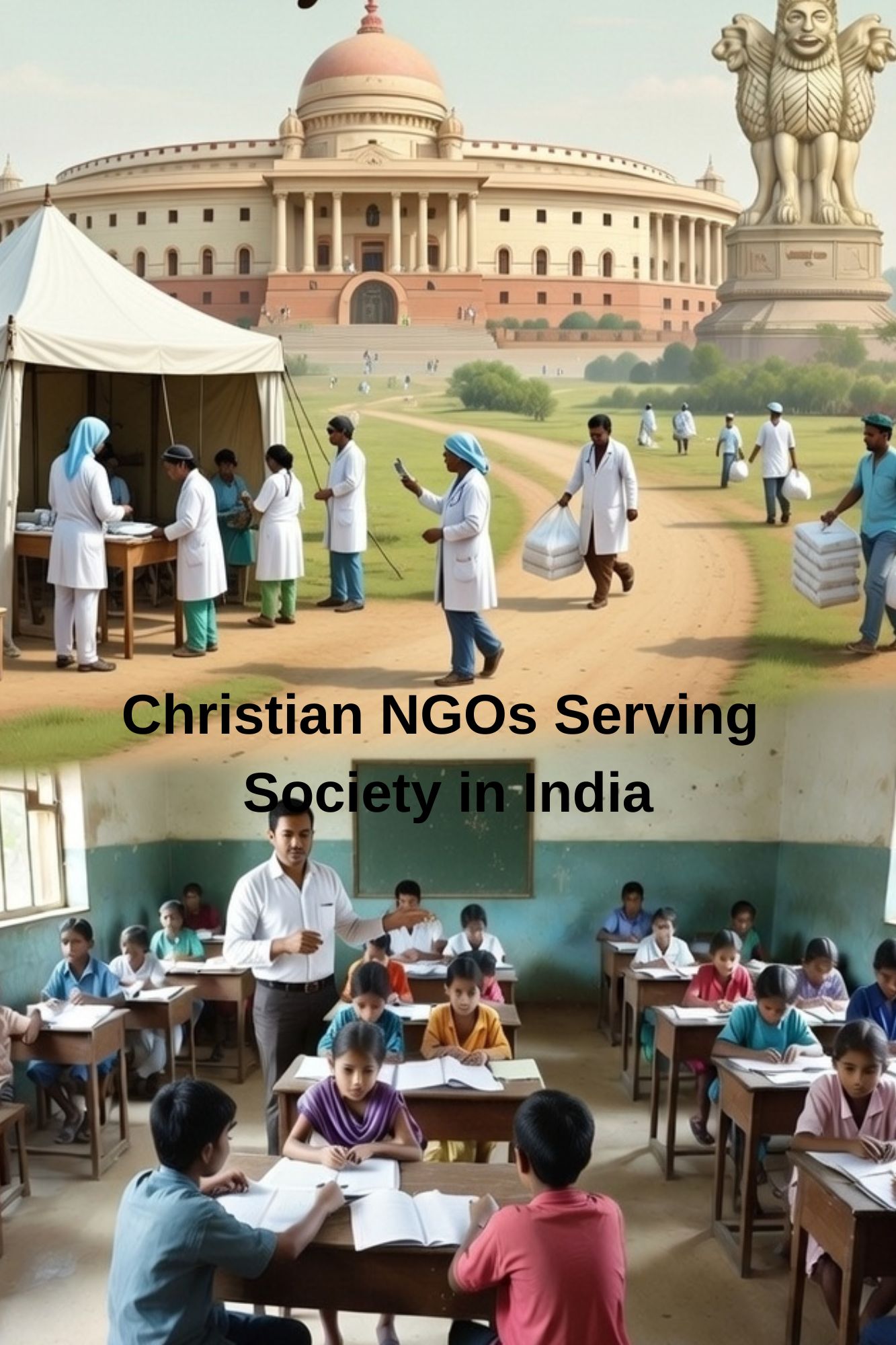
Christian NGOs must receive FCRA approval because their mission is rooted in both biblical obedience and constitutional legitimacy. Across India, Christian organizations serve the nation’s most vulnerable—regardless of caste, creed, or religion—by providing education to underprivileged children, healthcare to the sick, disaster relief to affected communities, and long-term social uplift to the forgotten and marginalized.
These ministries do not exist for profit, power, or proselytism by coercion. They exist to serve, motivated by Christ’s command to love one’s neighbor and to do good wherever there is need. When Foreign Contribution (Regulation) Act (FCRA) approval is denied, suspended, or indefinitely delayed without due cause, the consequences extend far beyond administrative paperwork. Such actions directly restrict food from reaching the hungry, medicines from reaching the sick, education from reaching the poor, and hope from reaching those in despair.
Christian NGOs must receive FCRA approval because denying lawful access to foreign contributions does not silence institutions alone—it silences compassion in action. It disrupts schools, shuts down medical camps, delays relief during disasters, and cripples grassroots development work that often reaches areas untouched by government machinery.
From a biblical perspective, serving the needy is not optional for Christians—it is a mandate.
“As we have opportunity, let us do good to all people.” — Galatians 6:10
This command does not place conditions on nationality, religion, or social status. It calls believers to active, visible service for the common good. Christian NGOs operate as collective expressions of this calling, turning faith into measurable social impact.
From a constitutional standpoint, India guarantees:
- Freedom of religion (Article 25),
- Freedom to form associations (Article 19),
- And the right to carry out lawful charitable and humanitarian work.
When Christian NGOs comply with Indian law, maintain transparency, submit audits, and function within the legal framework, they are entitled to fair, timely, and non-discriminatory access to FCRA approval. Arbitrary denial undermines not only civil society but also the pluralistic values on which the Indian Constitution stands.
Christian NGOs must receive FCRA approval because their work strengthens—not threatens—the nation. They reduce the burden on public systems, partner in nation-building, and embody the principle of service above self. In a country as diverse and complex as India, silencing organizations that consistently uplift the weakest sections of society raises serious ethical, legal, and humanitarian concerns.
The following seven biblical and constitutional reasons explain why granting FCRA approval to Christian NGOs is not a concession—but a necessity for justice, compassion, and democratic integrity.
 “As we have opportunity, let us do good to all people.” — Galatians 6:10
1. Biblical Mandate to Serve All People Without Discrimination
Christian NGOs must receive FCRA approval because their service flows directly from biblical instruction. Scripture commands believers to care for all people, not a select few.
📖 “As we have opportunity, let us do good to all people.” — Galatians 6:10
Christian-run schools, hospitals, orphanages, and relief programs in India serve beneficiaries without asking their religion, caste, or background. Restricting funds for such service interferes with the free exercise of faith in action.
🔹 Constitutional Link:
Article 25 guarantees freedom of religion, including the right to practice faith through service and charity.
2. Freedom to Form Associations and Carry Out Lawful Charitable Work
Christian NGOs must receive FCRA approval because the Constitution protects the right of citizens to form organizations for lawful purposes—including humanitarian and charitable work.
Christian NGOs are registered entities, audited, regulated, and compliant with Indian law. When approvals are delayed or denied without transparent reasoning, it undermines constitutional freedoms.
🔹 Constitutional Link:
Article 19(1)(c) – Freedom to form associations or unions.
3. Protection of Minority Rights in a Pluralistic Democracy
Christian NGOs must receive FCRA approval because India’s Constitution explicitly safeguards the rights of religious minorities to sustain their institutions.
Many Christian NGOs operate:
Minority educational institutions
Mission hospitals
Community development centers
Blocking their funding disproportionately impacts minority-run services, raising serious concerns of unequal treatment.
🔹 Constitutional Link:
Article 30 – Right of minorities to establish and administer institutions of their choice.
4. Christian NGOs Strengthen National Welfare, Not Undermine It
Christian NGOs must receive FCRA approval because their work supplements government efforts, especially in remote, tribal, disaster-prone, and underserved regions.
They:
Run schools where no government schools exist
Provide healthcare in rural and tribal belts
Respond quickly during floods, cyclones, pandemics, and earthquakes
Far from being a threat, Christian NGOs are nation-building partners.
📖 “Carry each other’s burdens.” — Galatians 6:2
5. Denial of FCRA Approval Directly Harms the Poor and Marginalized
Christian NGOs must receive FCRA approval because the real victims of funding restrictions are not organizations—but beneficiaries.
When funds are blocked:
Children lose access to education
Patients lose medicines and treatment
Disaster victims lose timely relief
Widows, orphans, and the disabled are abandoned
📖 “Whoever is kind to the poor lends to the Lord.” — Proverbs 19:17
Denying aid violates not only moral duty but also the constitutional vision of social justice.
🔹 Constitutional Link:
Directive Principles of State Policy (Articles 38 & 41) – Promote social welfare and assistance to the vulnerable.
6. Transparency and Accountability Are Already Built Into FCRA Framework
Christian NGOs must receive FCRA approval because the law already provides robust safeguards:
Annual audits
Government reporting
Utilization certificates
Designated bank accounts
Blanket suspicion or prolonged delays despite compliance erodes trust in the regulatory process and discourages ethical civil society work.
Justice demands due process, not arbitrary exclusion.
🔹 Constitutional Link:
Article 14 – Right to equality before law and protection against arbitrary action.
For readers who wish to understand the regulatory framework governing foreign contributions in India, the following video explains the general requirements under the FCRA Act.
https://www.youtube.com/watch?v=rZARGPGtF4k
7. Biblical Justice and Constitutional Morality Demand Fair Treatment
Christian NGOs must receive FCRA approval because both Scripture and the Constitution oppose injustice, discrimination, and selective enforcement.
📖 “Learn to do right; seek justice. Defend the oppressed.” — Isaiah 1:17
When NGOs meeting all legal requirements are denied approval without clear cause, it contradicts:
Biblical justice
Constitutional morality
Democratic accountability
A strong nation does not fear compassion—it protects it.
Conclusion: Compassion Should Never Be Criminalized
Christian NGOs must receive FCRA approval because their work represents the best of faith in action and the best of constitutional values. Restricting them restricts mercy. Silencing them silences service. Weakening them weakens the safety net for millions.
India’s strength lies in its pluralism, its compassion, and its commitment to justice. Upholding the rights of Christian NGOs to operate lawfully and receive funding is not a concession—it is a constitutional and moral obligation.
📖 “Whatever you did for one of the least of these… you did for Me.” — Matthew 25:40